

3D Coloring: Creating Dimensional Art

Coloring doesn’t have to be just filling a page with crayons. It can transform into a dimensional art project that looks interesting, engages kids, and offers plenty of freedom. Simply print a simple picture, gather a few materials, and choose one element to decorate.
3D coloring is a great idea for parents, teachers, and caregivers seeking a simple activity for a rainy day, art class, after-school care, or a quiet afternoon at home. Kids don’t need to color perfectly within the lines. They can paste, press, arrange, and create the picture their way.
This activity is especially useful when kids quickly tire of regular coloring. Instead of saying, “color the whole page,” you can suggest, “let’s make fluffy clouds from cotton” or “decorate the fox’s tail with clay.” It’s a small step, but it often encourages kids to return to the activity.
What is 3D Coloring?
3D coloring is a regular printable coloring page that kids decorate with additional materials. The picture isn’t completely flat. Some elements stand out from the page, have different textures, or look like small decorations.
You can use clay, tissue paper, cotton, yarn, stickers, colored paper, pom-poms, leaves, feathers, or fabric scraps. You don’t need expensive supplies. Often, what’s already at home, in preschool, or in the school art drawer is enough.
The main rule is simple: you don’t have to decorate the entire coloring page. Sometimes, just one part, like a cloud, crown, tail, flower, or house roof, is enough.
Which Coloring Pages are Best for 3D Projects?
Start with simple images. Coloring pages with a large character, clear outline, and few details work best. The more small elements, the harder it is to stick clay, cotton, or tissue paper. You can also use our guide on choosing the right coloring page for your child’s age.
Good starting themes include animals, flowers, trees, vehicles, rockets, pumpkins, Christmas trees, clouds, the sun, houses, and simple characters. If kids choose the theme themselves, they usually start working more eagerly.
- a fox with a clay-decorated tail,
- a tree with tissue paper leaves,
- a rocket with sticker stars,
- a snowman with cotton snow,
- a dragon with clay scales,
- flowers decorated with pom-poms,
- a cat with yarn whiskers.
On the site, you can start with simple materials like printable coloring pages for kids in PDF. Just print one page and choose a theme that fits the child’s age and mood.

What to Prepare for 3D Coloring?
You don’t need to prepare everything at once. Too many materials can distract kids. It’s better to start with one coloring page and two or three additions.
- printed coloring page, preferably on slightly thicker paper,
- clay or modeling dough,
- tissue paper, colored paper, or paper scraps,
- cotton, yarn, pom-poms, or stickers,
- glue stick or school glue,
- crayons or markers to fill in the background,
- scissors, if an older child is working or an adult is helping.
For younger children, it’s best to prepare larger pieces of materials beforehand. An adult can cut yarn, tear tissue paper, or prepare small clay balls. Kids can then immediately start creating.
Practical tip: if you’re using glue, place an old newspaper or mat under the page. It makes cleaning the table easier after finishing the work.
3D Coloring Step by Step
It’s best to start very simply. Don’t plan a large project with many materials right away. Kids should see quick results, as this helps them stay engaged in the activity.
- Print one coloring page with a large, clear picture.
- Choose one part to decorate together.
- Select a material, like clay, cotton, or tissue paper.
- First, decorate a small element, not the whole page.
- The rest of the picture can be left white or lightly colored.
- Set the work aside to dry if you used glue.
- Finally, display the result: on the fridge, board, or in a home gallery.
This simple scheme works at home, preschool, and after-school care. A teacher can prepare one theme for the whole group, and each child decorates it a bit differently.

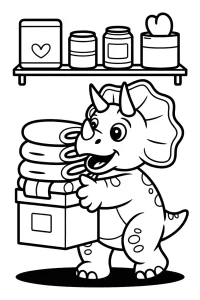


3D Coloring with Clay
Clay is one of the easiest materials for dimensional work. Kids can tear off small pieces, make balls, rolls, or flat spots, and press them onto the page.
It’s best to start with large elements. A fox’s tail, dragon’s scales, car wheels, Christmas tree baubles, or flower petals are well-suited for clay decoration. You don’t have to cover the entire picture. One decorated part is enough to make the work look interesting.
- small clay balls can become snow, fruits, or stars,
- rolls work as grass, waves, hair, or sun rays,
- flat pieces can be pressed on larger areas,
- several clay colors allow for patterns, like a rainbow or flower.
If the page is thin, it’s worth sticking it to stiff paper or a technical block beforehand. This way, the work won’t bend easily.
3D Coloring with Tissue Paper, Cotton, and Yarn
Tissue paper is great where a light, colorful effect is needed. Kids can make small balls, strips, or torn pieces from it. It’s a good material for flowers, leaves, tree crowns, fruits, and decorations.
Cotton is suitable for clouds, snow, sheep, rabbits, Santa’s hat, or sea foam. Just smear glue on the chosen spot and stick small, fluffy pieces. The effect appears very quickly, which kids usually enjoy.
Yarn is suitable for hair, a horse’s mane, a lion’s tail, grass, waves, a scarf, or rays. You can stick short pieces or arrange lines along the contour.
- cotton clouds on a coloring page with an airplane,
- cotton snow by a snowman or Christmas tree,
- leaves from green tissue paper on a tree,
- character’s hair from yarn pieces,
- a lion’s or horse’s mane from yellow and brown yarn,
- flowers from tissue paper balls or small pom-poms.
3D Coloring as a Seasonal Project
Dimensional coloring pages fit well with seasonal themes. They can be prepared for holidays, seasonal changes, or thematic preschool activities.
In autumn, tissue paper leaves, crayon-drawn chestnuts, and pumpkins decorated with orange clay work well. In winter, you can make cotton snow, pom-pom hats, and a Christmas tree with paper baubles. In spring, good themes are flowers, butterflies, and trees. In summer, you can decorate the sun, waves, fish, and ice cream.
- Autumn: a tree with tissue paper and colored paper leaves.
- Winter: a snowman with cotton snow.
- Spring: flowers with tissue paper balls and pom-poms.
- Summer: the sea with strips of blue yarn or paper.
For teachers, it’s a convenient idea for group activities. All kids can get the same coloring page, but each work will look different.
What to Watch Out for During Play?
3D coloring should be simple and safe. With small children, an adult should supervise small elements like tiny pom-poms, buttons, or short yarn pieces. Scissors and stronger glue are best left for older kids or used only with adult help.
It’s also not worth expecting a perfect result. If cotton sticks out beyond the contour, tissue paper is glued crookedly, and clay has various shapes, it’s still good child work. The goal is fun and creation, not perfect decoration.
- prepare few materials at the start,
- choose large elements to decorate,
- assist with glue and scissors,
- don’t correct everything for the child,
- allow leaving the work unfinished if the child has had enough.
How to Use 3D Coloring at Home and Preschool?
At home, 3D coloring can be a calm activity for an afternoon, weekend, or indoor day. Parents don’t need to prepare a complicated project. Just print one page, give the child clay or tissue paper, and start with a small part.
In preschool or after-school care, it’s worth preparing several stations. At one, kids can decorate with tissue paper, at another use cotton, and at a third clay. Then you can make a joint exhibition of works. It’s a simple way for one theme to create a whole gallery of different pictures.
Idea for teachers: choose one theme, like “autumn tree,” “winter snowman,” or “spring butterfly.” Each child decorates their coloring page with a different material.


One Coloring Page, Many Possibilities
3D coloring shows that a regular printout can become more than just a page to color. You can decorate it with clay, embellish it with cotton, fill it with tissue paper, add yarn or stickers. This way, kids have more ways to play and don’t have to limit themselves to just crayons.
It’s best to start with a simple picture and one material. A cotton cloud, a clay tail, or a tissue paper flower is enough. A small effect often brings kids a lot of joy and encourages them to continue working.
If you want to prepare such an activity at home, preschool, or after-school care, choose free coloring pages to print, print one page, and treat it as a base for a creative, dimensional art project.


